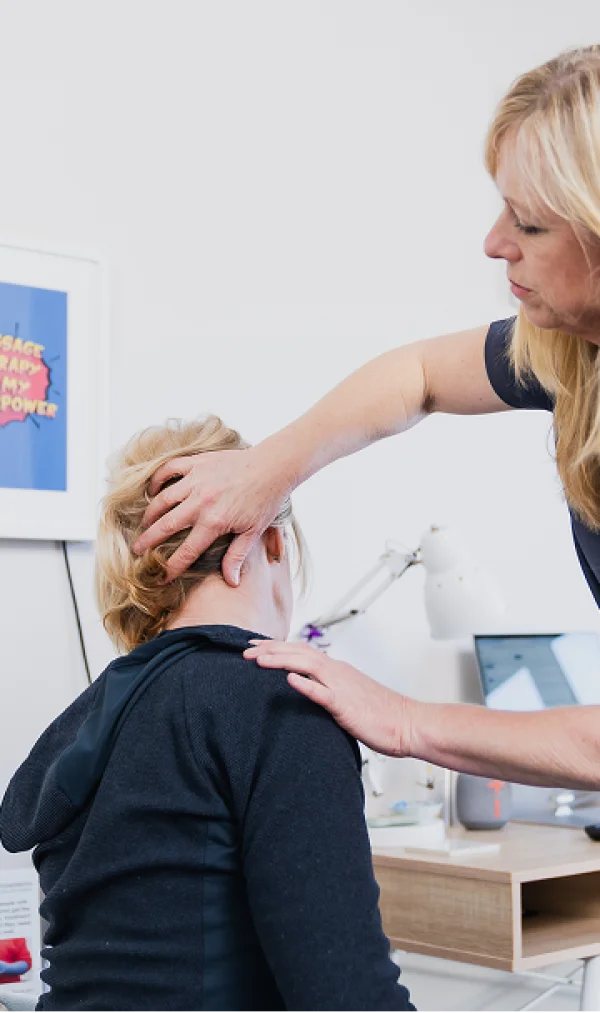
What to expect
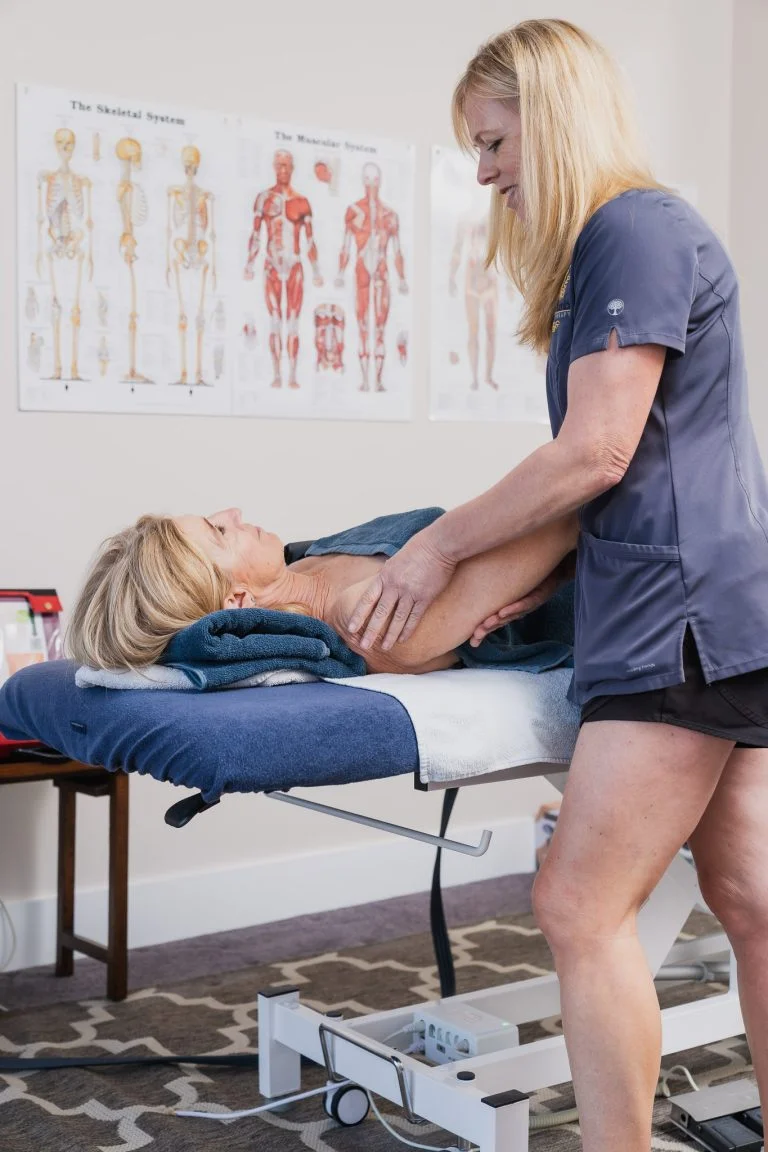
Manual Lymphatic Drainage (MLD) is a specialised technique that uses mostly light, rhythmical movements to stimulate the flow of lymph fluid through your body. Unlike regular massage which often focuses on deeper structures like muscles and tendons, MLD is mostly focused on the superficial tissue layers — sandwiched between our top layers of skin and muscle — as this is where most lymph fluid flows.
When performed correctly, MLD can help reduce swelling, ease inflammation, and support your body’s natural detoxification processes. It is especially effective after surgery, where it assists in reducing post-operative swelling and promoting faster healing.
Following lymph node removal, MLD is widely used to help create new pathways for lymph to drain and promote new vessel growth. This may help reduce the chance of lymphatic build-up, which if not managed correctly may lead to lymphoedema. Lymphoedema requires a larger management plan including skin care and compression, and MLD is used as part of this plan, not as a stand-alone treatment.
MLD has a sympatholytic effect, meaning it helps reduce our perception of pain by removing inflammatory mediators in our tissues. The chronic inflammation cycle can be broken by resetting the balance between our tissue and nervous system.
Its soothing effect can help promote improved sleep, reduce pain and post-operative tightness, and provide a deep sense of relaxation. In some cases, MLD may be combined with complementary approaches such as compression therapy, taping, or gentle movement to enhance results.